When Instagram and Google Maps are enough
If you’re testing a new offer, most customers come through word of mouth, and they only need your hours, location and a way to reach you, start there. Keep your Google Business Profile up to date if your business is eligible. Pin the details people ask for on Instagram and make sure someone answers calls or messages. If that works for customers and your team, there’s no rush to build.
If you still can’t say who the offer is for or what it includes, try explaining it to a few real customers before paying to put it online. Write down what they ask next. Those questions tell you more about what to build than a list of pages copied from a competitor.
What does the customer need to do?
Think about your last few enquiries. What did people need to know before they could make a decision? What did your team have to explain every time? That’s where I’d start.
One page. One clear offer and one next step. A workshop or a specialist with a single service may only need an explanation, useful proof and a way to enquire.
Service website. Give each genuinely different service its own page when it needs a different explanation or next step. A homeowner and a facilities manager can both need maintenance without asking for the same thing.
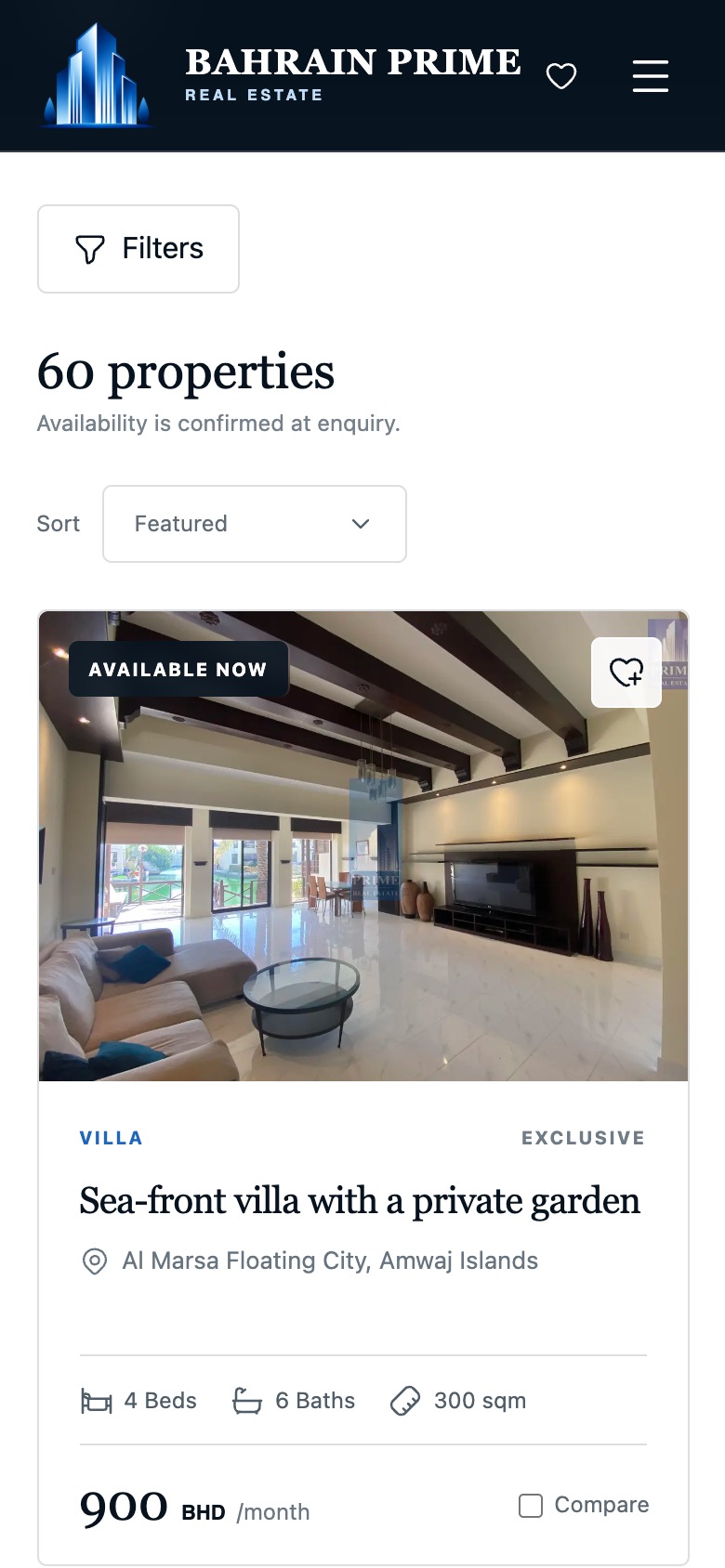
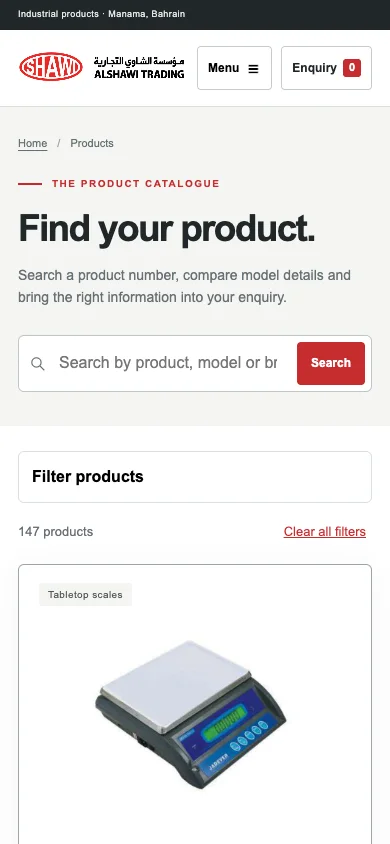
Catalogue or listings. Help people find and compare options before calling. Add filters only for details you can keep accurate, such as model, area or property type. A quote request may be enough; you don’t have to sell online.
Online booking. Add it if customers benefit from seeing real availability and your team can keep the calendar current. When every job needs a conversation first, a booking request or an enquiry may suit you better.
Online shop. Take payments online when people can choose, buy and receive the product without a custom quote. Decide who will manage stock, delivery, returns and customer support before adding a checkout.
Two real websites from Bahrain
A Bahrain example: an air-conditioning business
Imagine a small AC business in Bahrain getting most of its work through Google Maps and WhatsApp. If it only takes home servicing jobs and customers can already reach it easily, I’d keep those channels working and leave the website for later.
If the same team starts taking office maintenance contracts, I’d give that offer a page of its own. A facilities manager needs to know what the contract covers, where the team works and how to request a site visit. Start with those answers and one clear enquiry route. Add a larger site if other services need their own space.
Already have a website? Try fixing the problem first
Open it on your phone. Find one important service, check that the information is current, and test the contact route. If the structure still serves the business, fix the confusing page or broken form first. Consider a rebuild if the business has changed substantially or the current site makes essential updates and tasks hard to do.
Five questions before you spend
- Who are we trying to reach, and what exactly are we offering them?
- What do they need to find out or do before they can take the next step?
- Where do they try to do that now, and what gets in their way?
- What’s the smallest change that would help, and what would we look for to know it worked?
- Who will keep the information current and handle enquiries, bookings or orders?
Write down your answers and pick one change to test. If you’ve decided a site is the next step, our free Website Blueprint guide shows how to turn those answers into pages, content and enquiry paths you can review before building.